Nomad
Project Overview
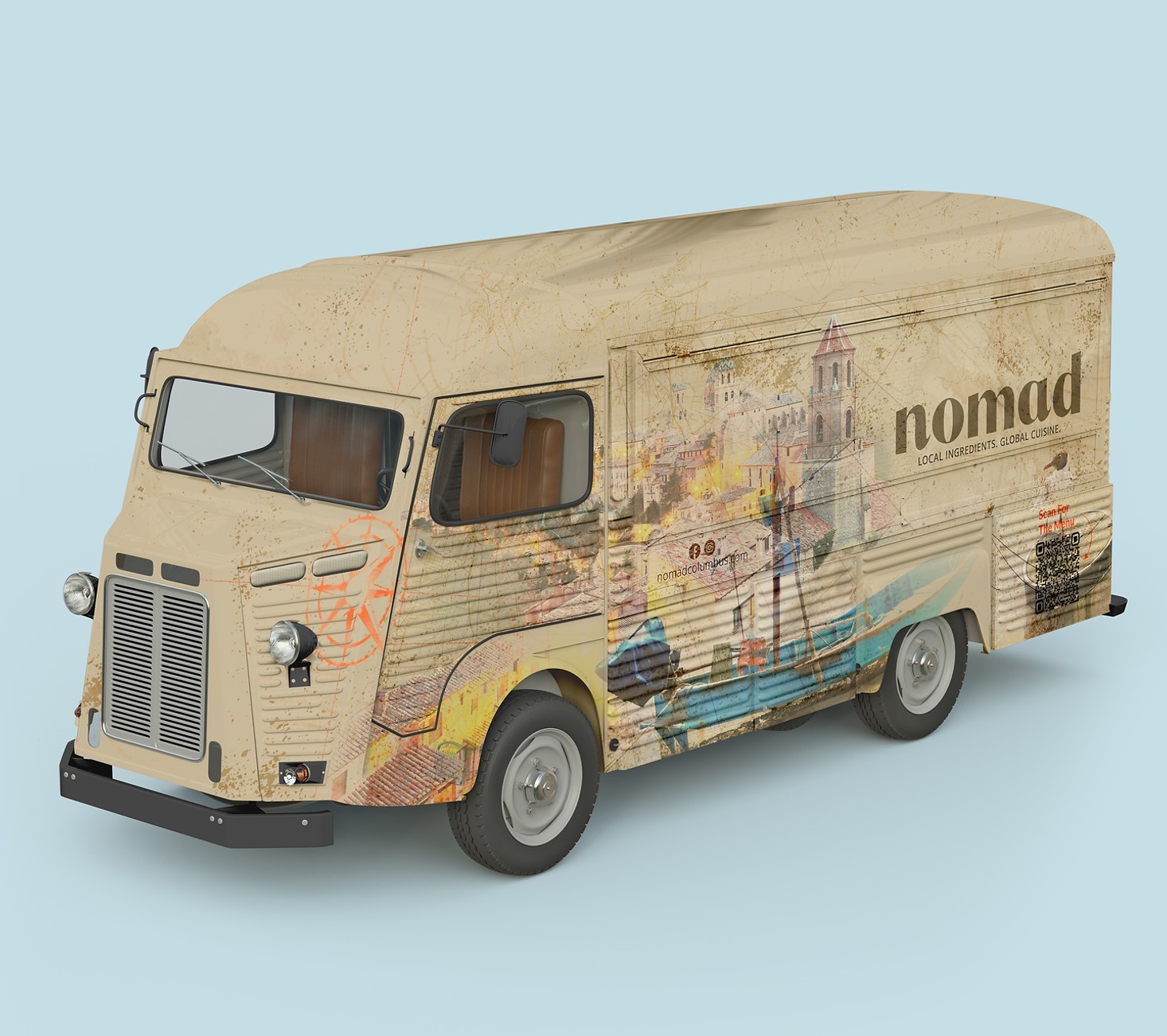
Nomad is a Columbus restaurant known for globally inspired cuisine and a warm, textured interior. The goal of this project was to expand the brand experience beyond the restaurant — into a mobile food truck, packaging, and menus — so every customer interaction feels unified and intentional.
Role
Lead Designer
Client
Nomad (Columbus, Ohio)
Scope
Visual Design
Print Design
Package Design
Vehicle Design
DISCOVER
Insight
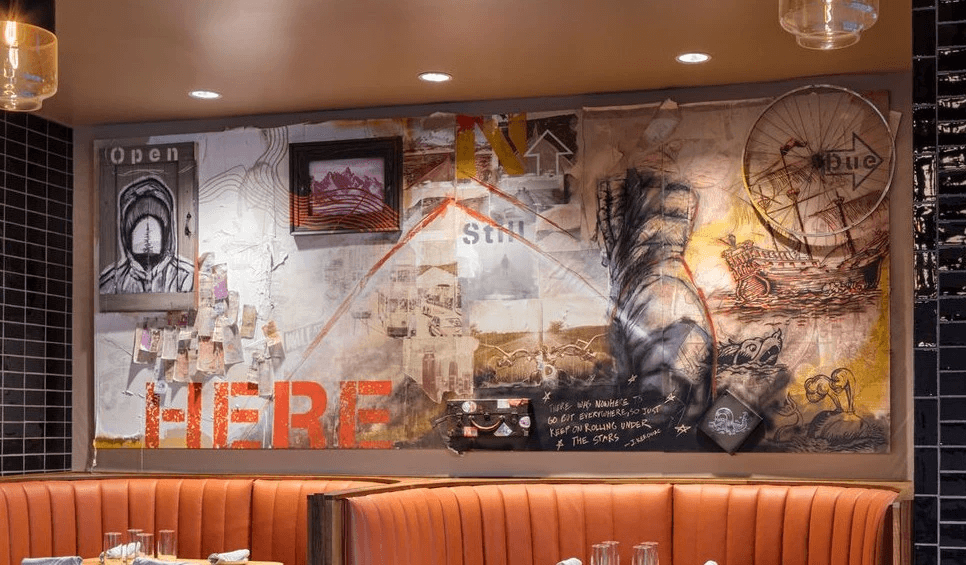
Reviewed Nomad’s existing interior elements — murals, textures, type treatments — to understand visual DNA.
Mapped where customers interacted with the brand (dine-in, on social media, takeout).
Looked at how local food trucks and packaging design treated storytelling and visibility in the market.
Keyfindings
Nomad’s customers respond strongly to storytelling and place-based identity.
There was an opportunity to make packaging and the food truck an extension of the physical environment, rather than standalone promotional elements.
DEFINE
Problem Statement
Brand identity must feel consistent whether it’s on a mural or a 5-inch takeout sleeve.
Visual storytelling should feel inviting and explorative, matching Nomad’s food philosophy.
Design Principles
Continuity: Designs should feel like part of the same brand family.
Balanced hierarchy: Bold visual elements serve brand recall, while functional typography aids readability.
Texture & story: Draw inspiration from interior art to maintain an experiential feel.
DEVELOP
Ideation & Concepts
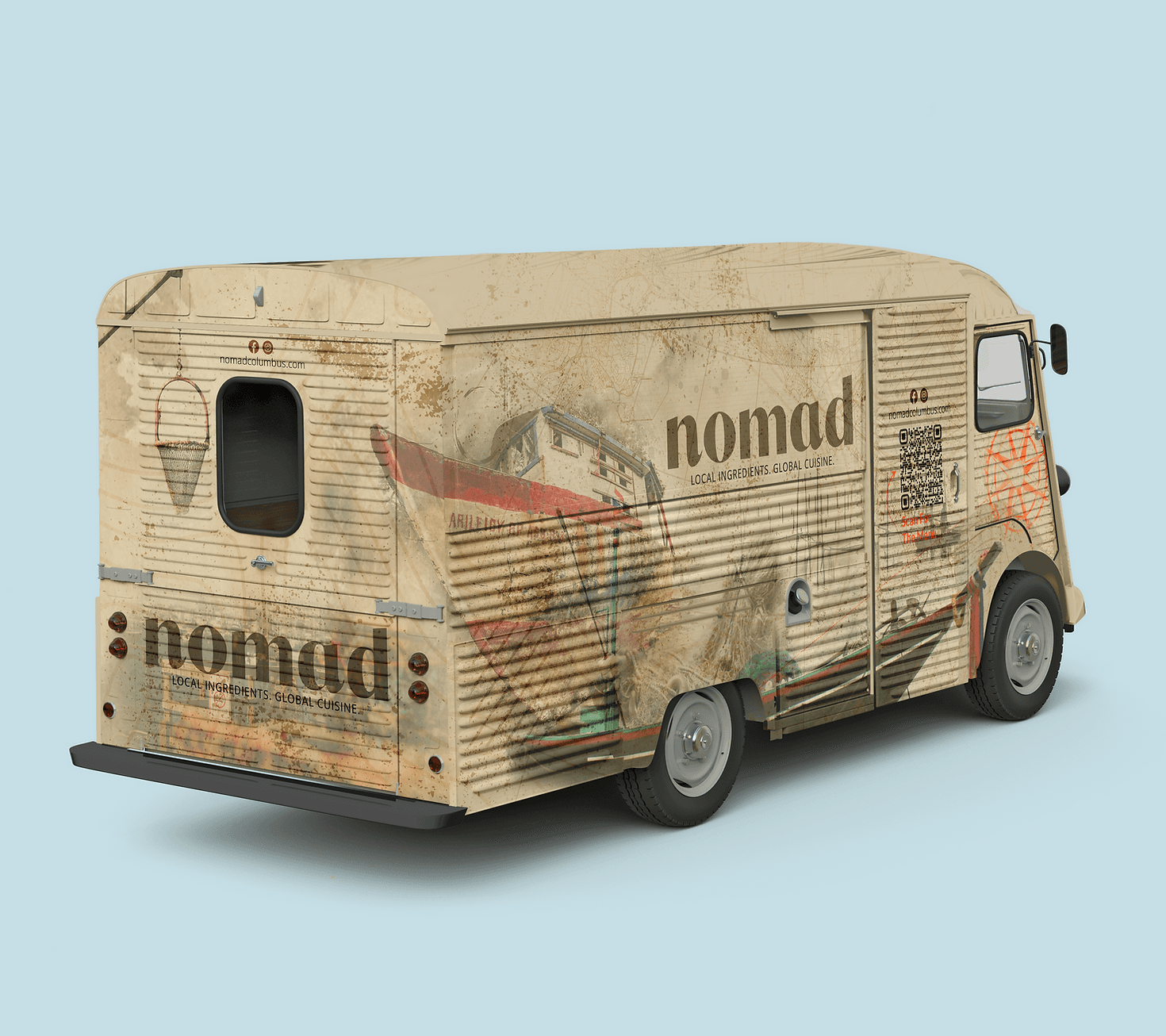
Food Truck Mural: Explored sketches marrying global motifs with local landscape elements.
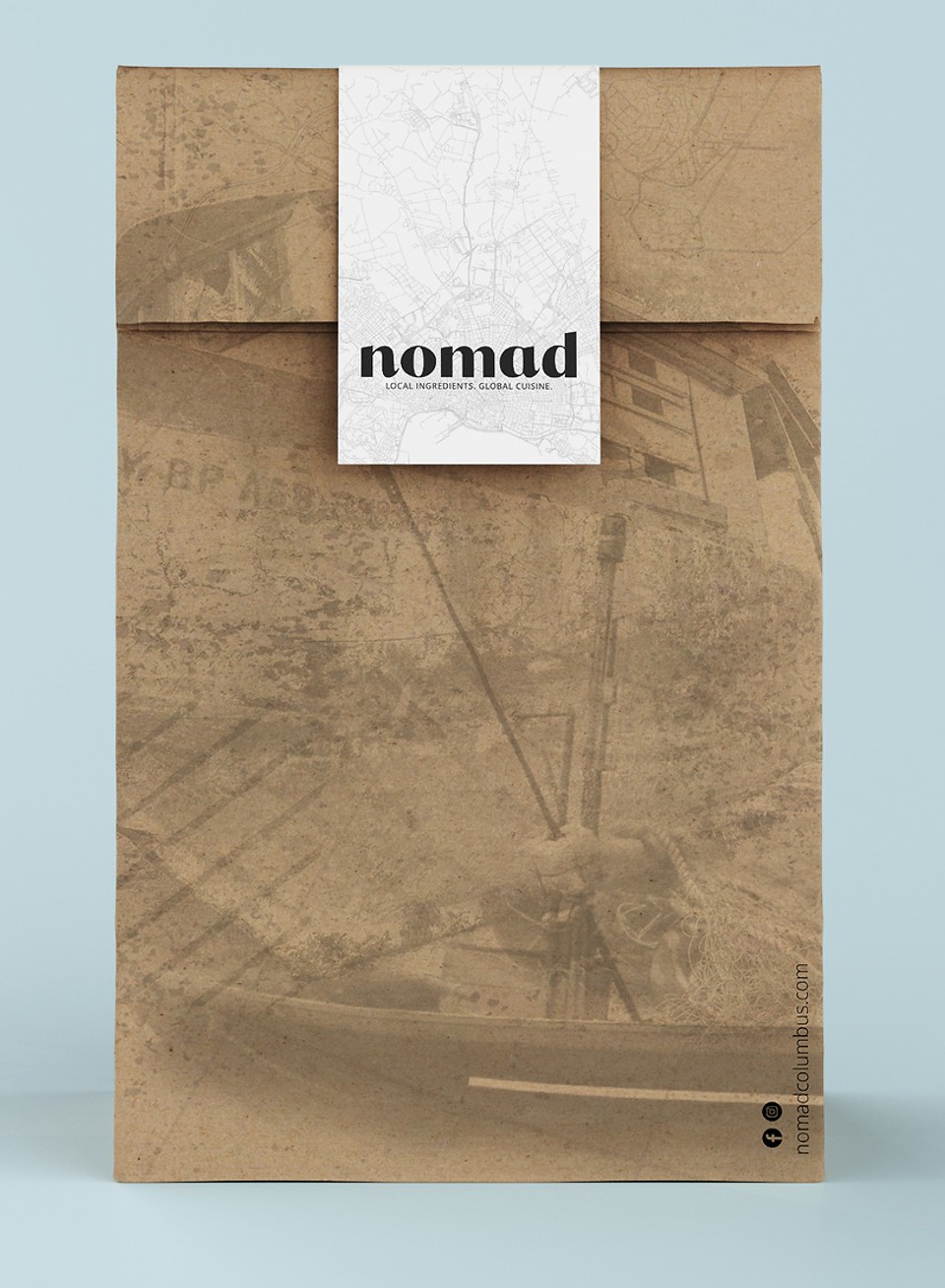
Packaging Concepts: Created multiple packaging motifs that borrowed from interior mural patterns and combined them with practical packaging forms.
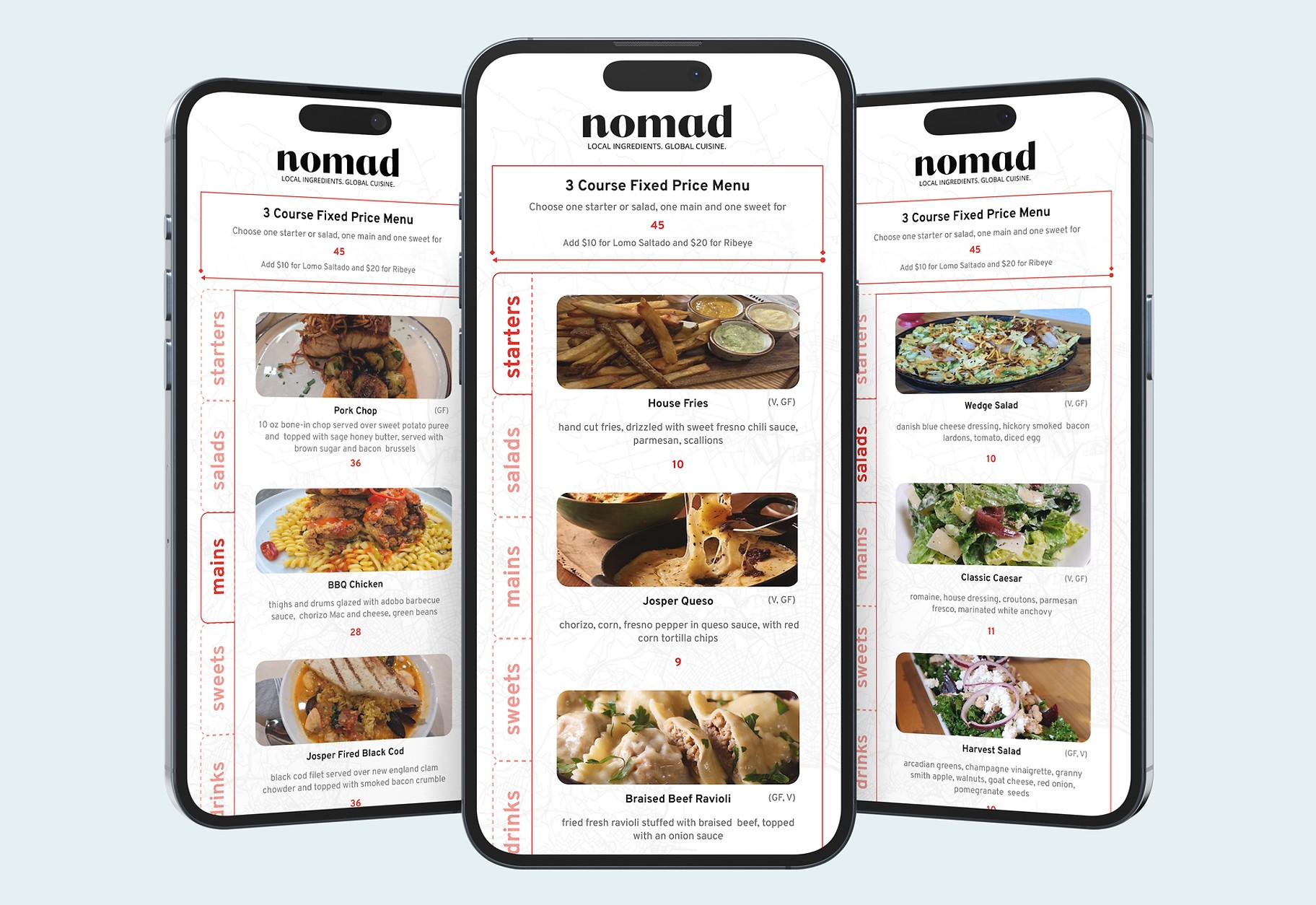
Menus: Drafted layouts combining clean typography with brand colors and lifestyle imagery.
Prototyping
Low-fidelity sketches evolved into digital mockups to visualize how large mural elements would wrap the truck and how patterns repeated on various packaging formats.
Packaging dielines were tested to ensure visuals worked at scale and context (takeout bags, containers, labels).
Menu layouts were refined with hierarchy and legibility testing.
Iterations
Adjusted colors and patterns based on visibility in real-world lighting and quick decision readability on menus.
Simplified certain mural elements that visually conflicted with regulatory truck signage requirements.
FINAL DESIGN
Food Truck Mural

Takeout Packaging
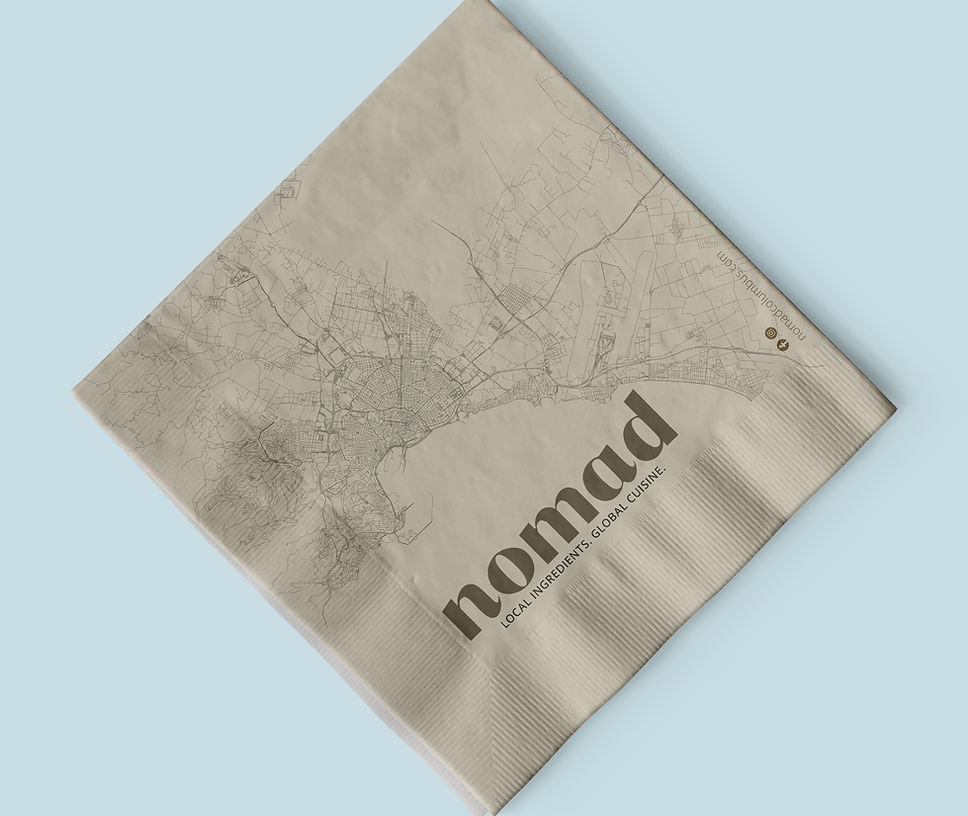
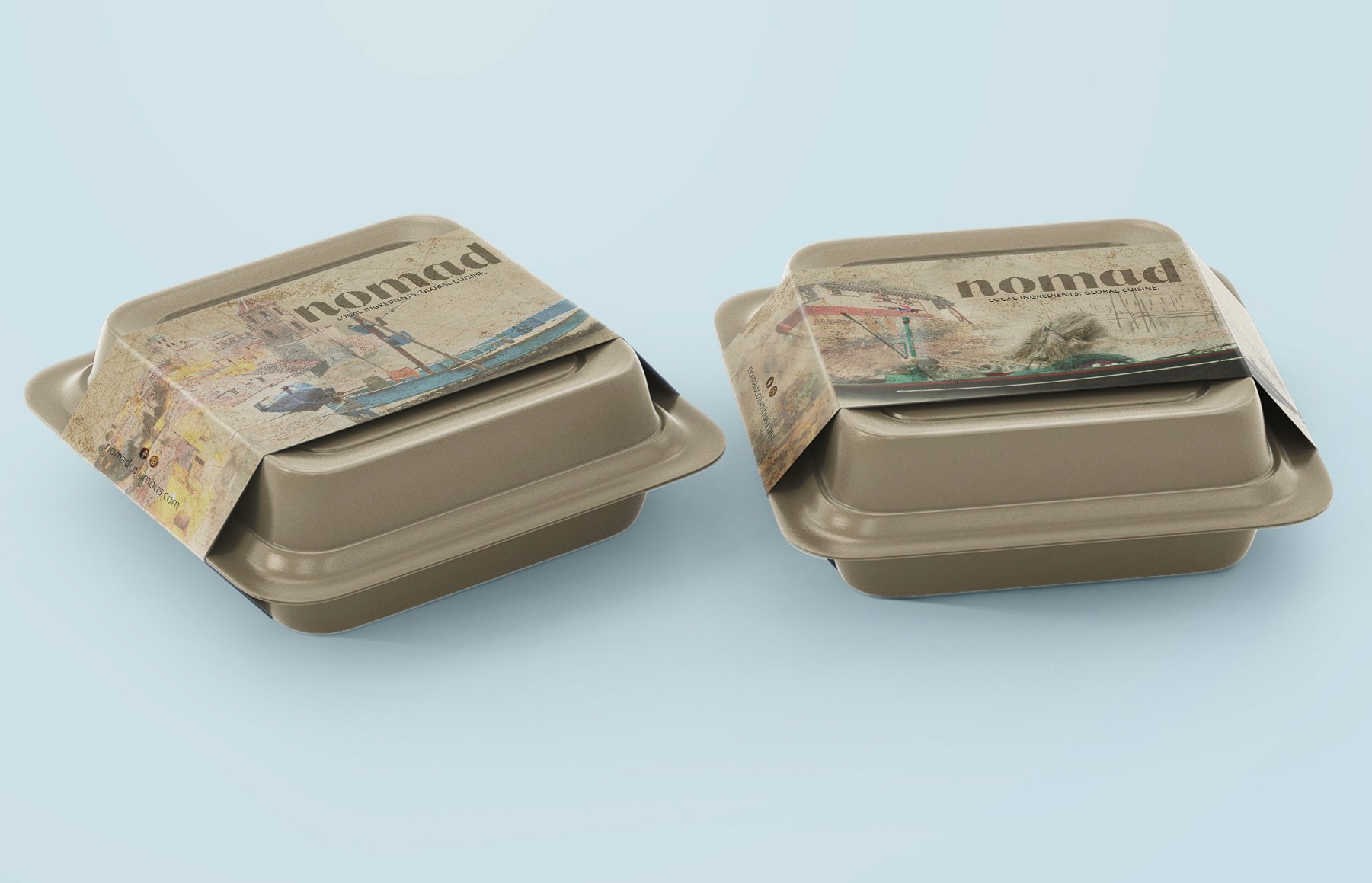
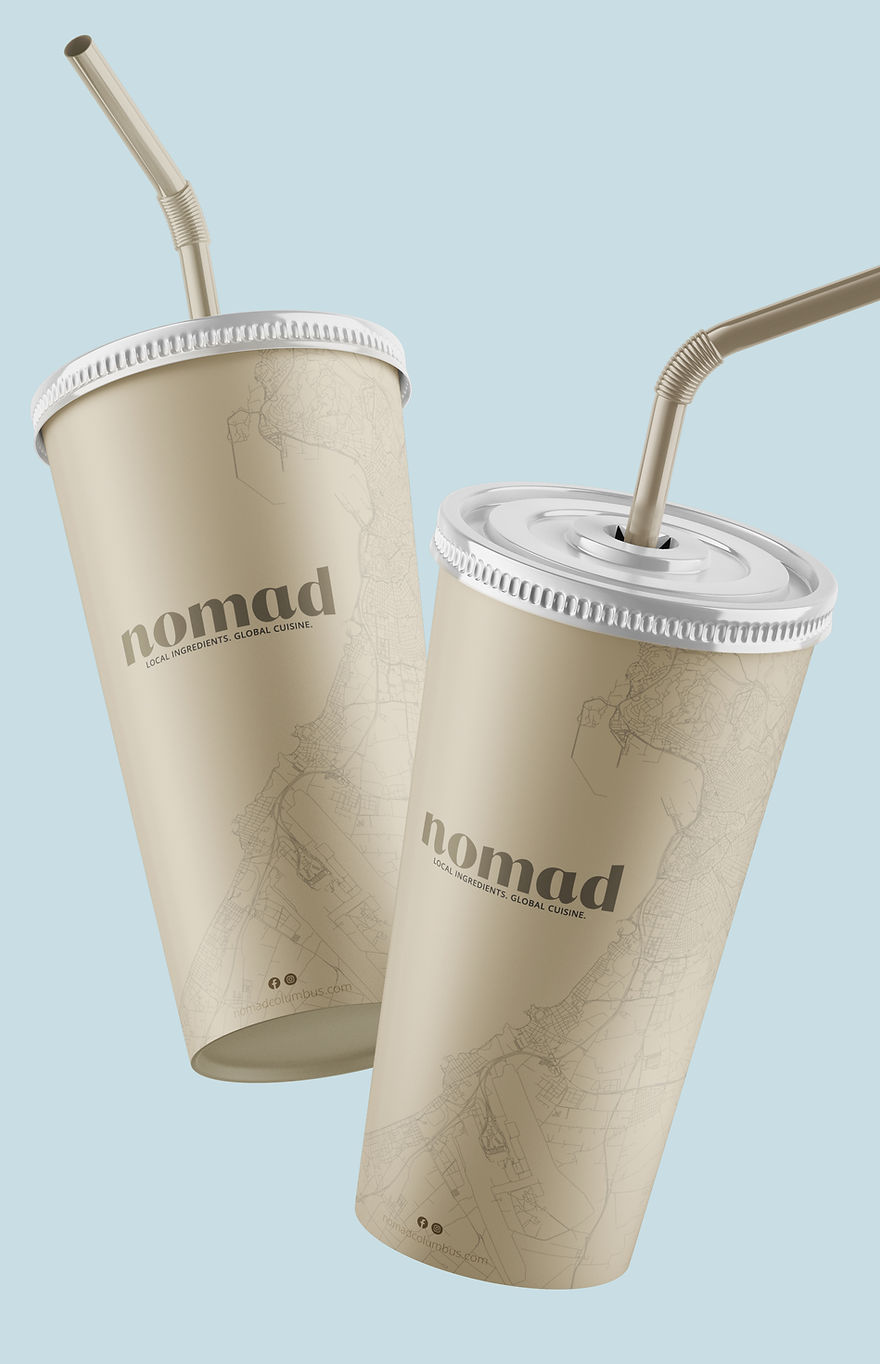
Menus
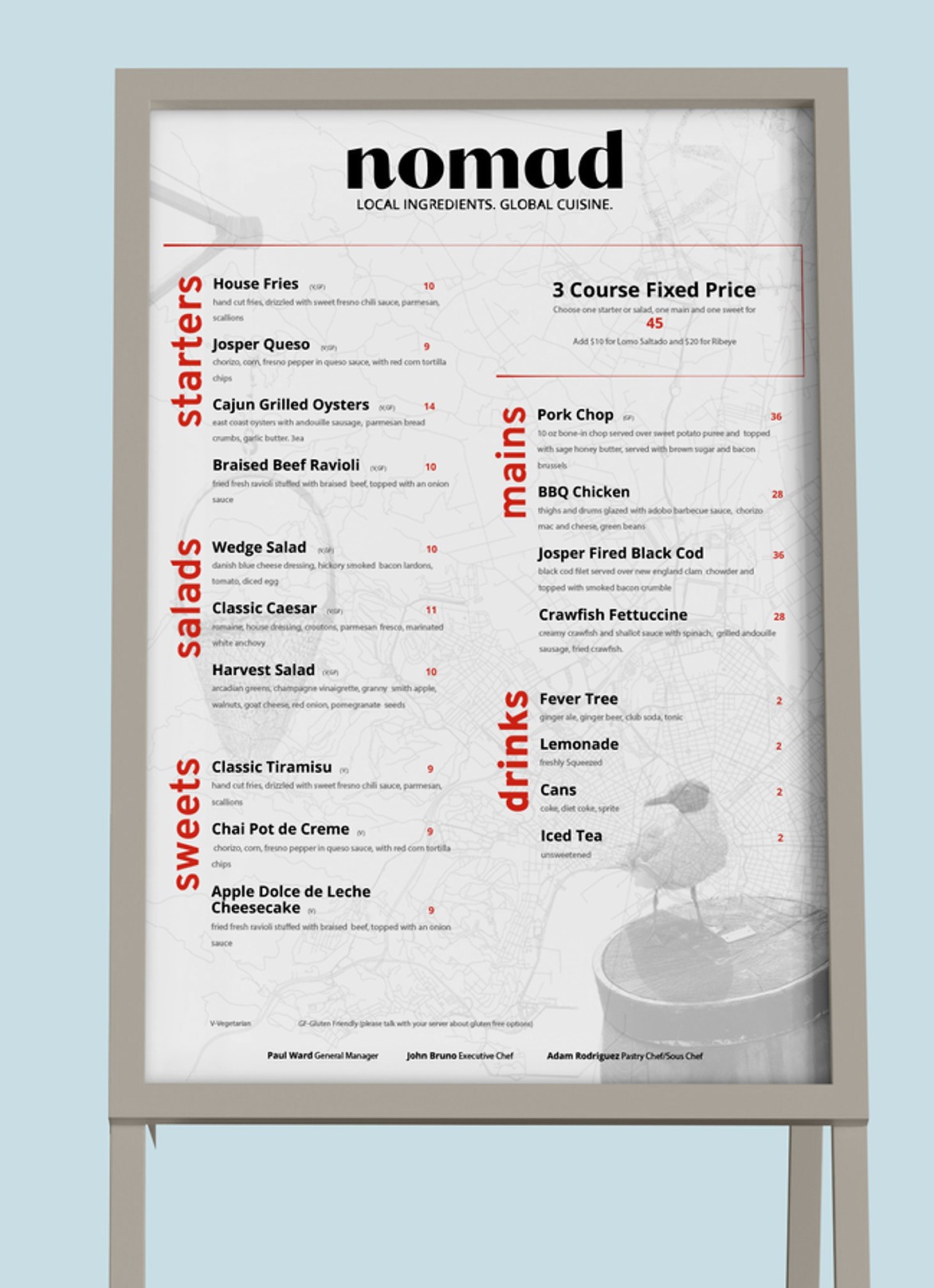
CONCLUSION
Impact
Although specific metrics (sales, engagement data) were not directly collected, the project achieved clear design goals:
Brand cohesion across all customer touchpoints.
A mobile brand identity that elevates presence in the community.
Packaging that carries narrative and utility beyond just function.
Learnings
This project reinforced the importance of designing beyond a single deliverable and instead thinking in terms of systems. Creating assets that ranged from large-scale murals to small-format packaging challenged me to consider how a brand translates across size, context, and user interaction.
I learned how visual storytelling can strengthen brand recognition when applied consistently across touchpoints, and how even functional pieces like menus and takeout packaging play a role in shaping perception and experience. This project also strengthened my ability to design for real-world constraints — including production limitations, legibility, and environmental visibility — while still maintaining a strong creative vision.
Growth
To expand this work further, I would explore ways to measure and enhance customer engagement through design. This could include gathering user feedback on packaging usability, menu clarity, and brand recall to better understand how the visuals perform in real environments.
I would also extend the system into digital touchpoints, such as social media templates, mobile ordering interfaces, or environmental signage, ensuring the brand experience remains consistent both online and offline. Finally, refining the visual system into a formal brand toolkit would allow Nomad to scale its identity seamlessly as it grows — while preserving the narrative and personality established through this project.