Escape Muncie
Project Overview
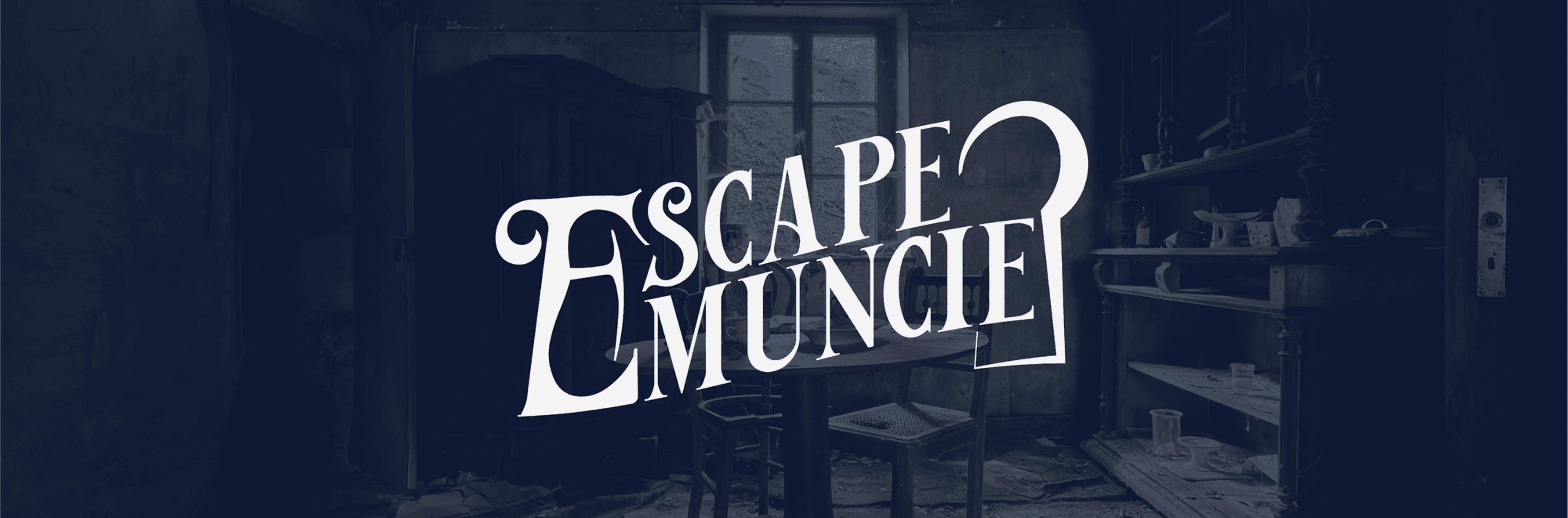
The Escape Muncie Identity Redesign project involved revitalizing an escape room brand’s visual identity to better reflect its adventurous spirit and modern appeal. The goal was to preserve the essence of the original logo while enhancing versatility across digital and print applications.
Role
Lead Designer
Client
Escape Muncie
Scope
Logo Redesign
Visual Design
Branding
Identity
DISCOVER
Understanding Brand & Audience
Conducted a visual audit of the existing Escape Muncie identity and competitor brands.
Explored brand history and user perception to determine what elements were core to the experience.
Identified where the current visual system performed well and where it failed to meet functional needs (e.g., readability, consistency, scalability).

Keyfindings
Users connect emotionally to imagery of exploration and adventure.
The original type and iconography were unique but lacked modern flexibility.
DEFINE
Problem Statement
How might we modernize Escape Muncie’s visual identity to enhance versatility and appeal while preserving its established brand sentiment?
What the brand stands for
What visual elements support that story
What visual elements need refinement
DEVELOP
Exploration
Sketching multiple logo concepts based on keywords like adventure, unlock, explore.
Iterating 20+ early logo roughs focusing on typography and icon integration.
Testing color palette options that feel timeless yet fresh.
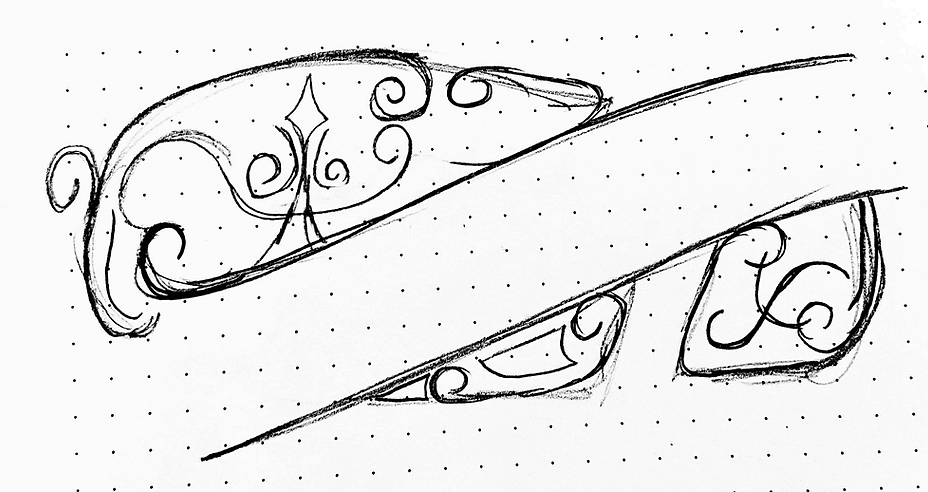
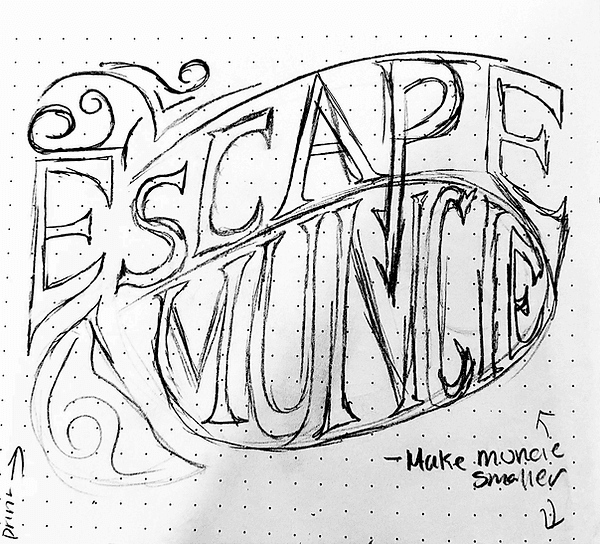
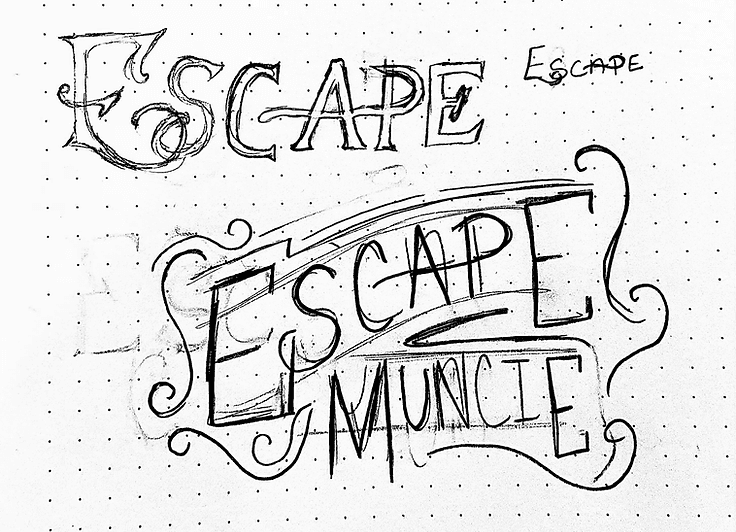
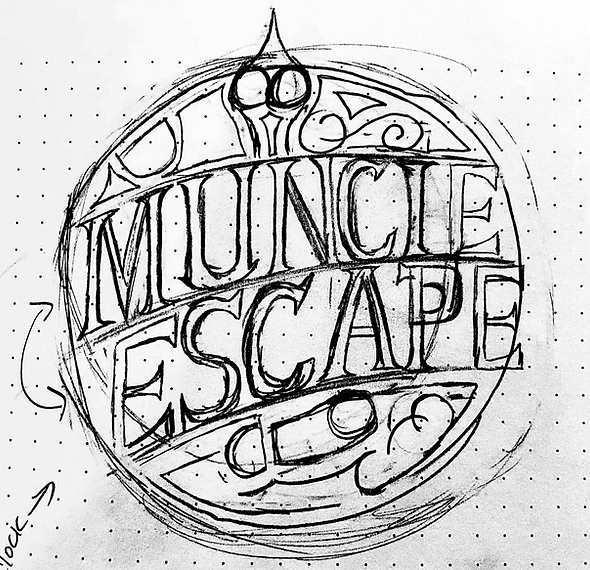
Visual Exploration
Wordmarks and lockups
Icons referencing key motifs (shoe print, keyhole)
Discovery of typography treatments that balance modern and gritty fun
FINAL DESIGN
Logo
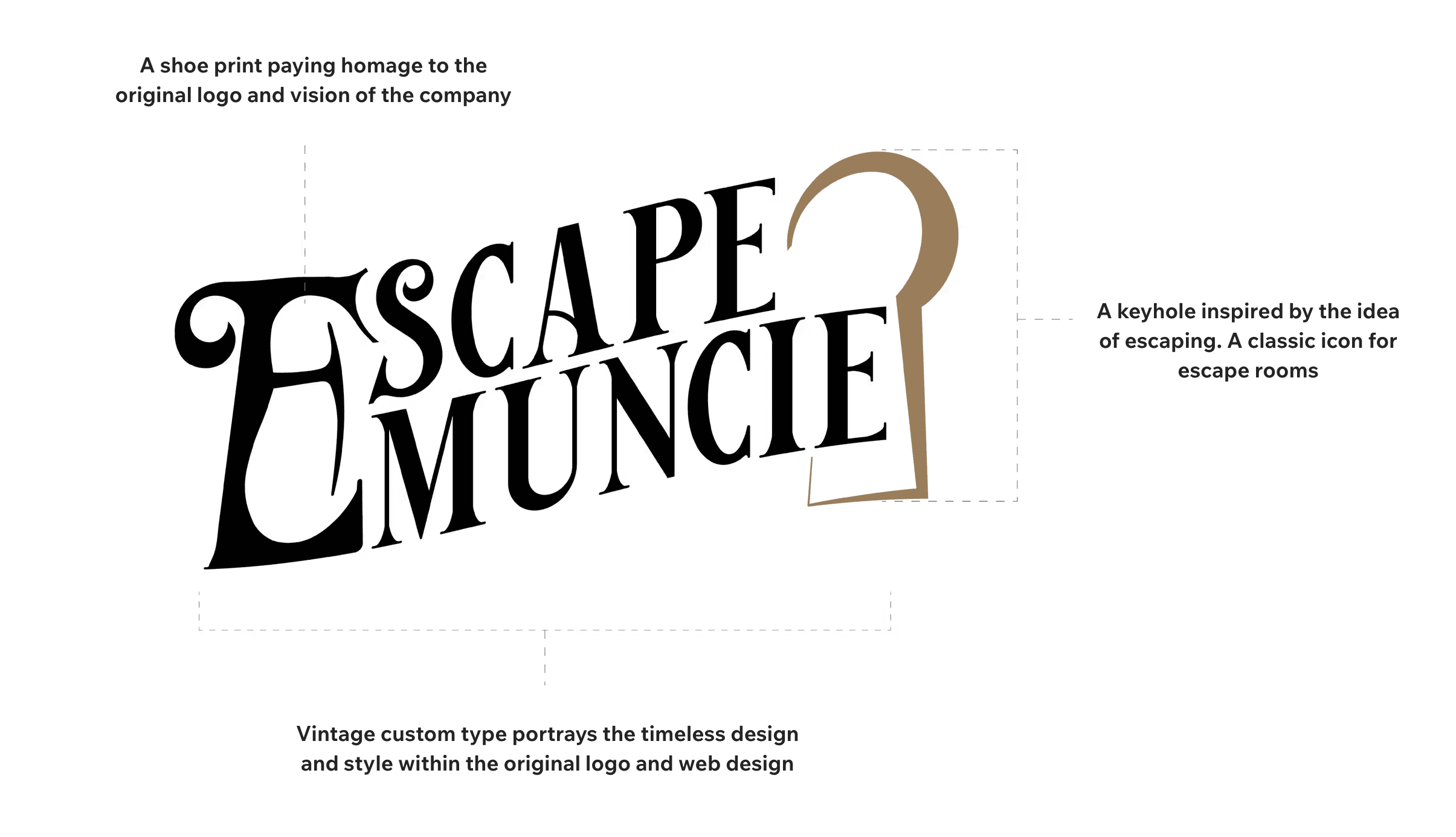
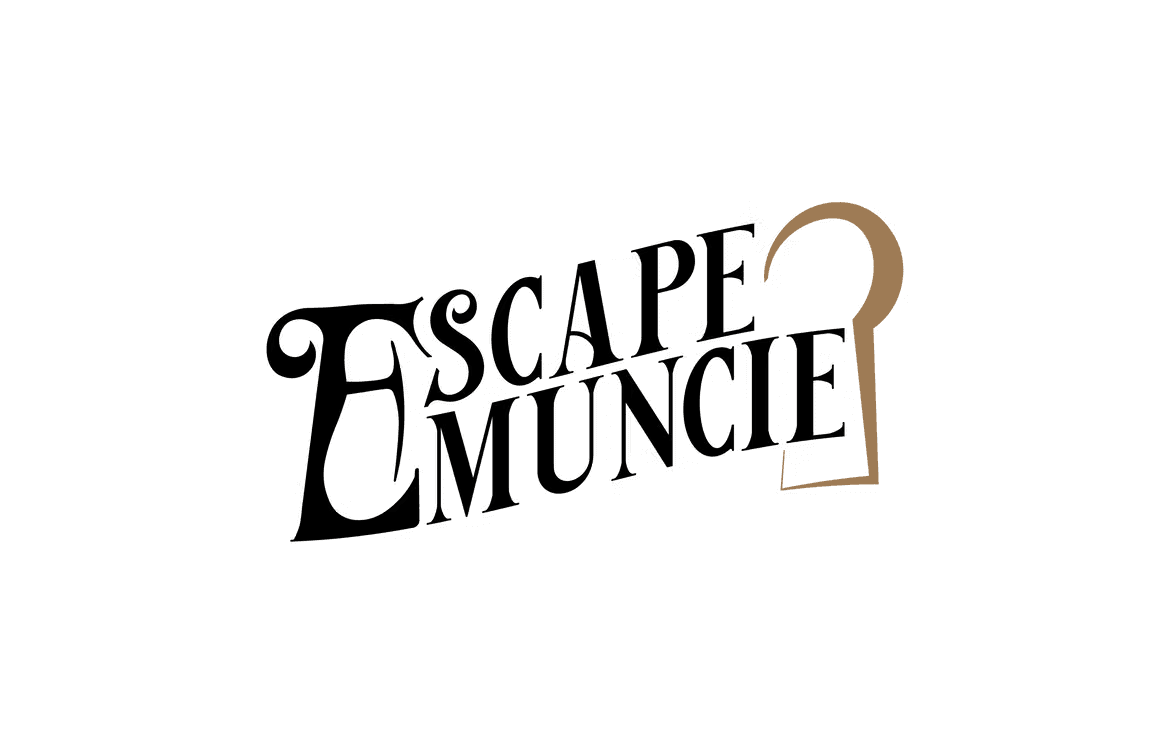
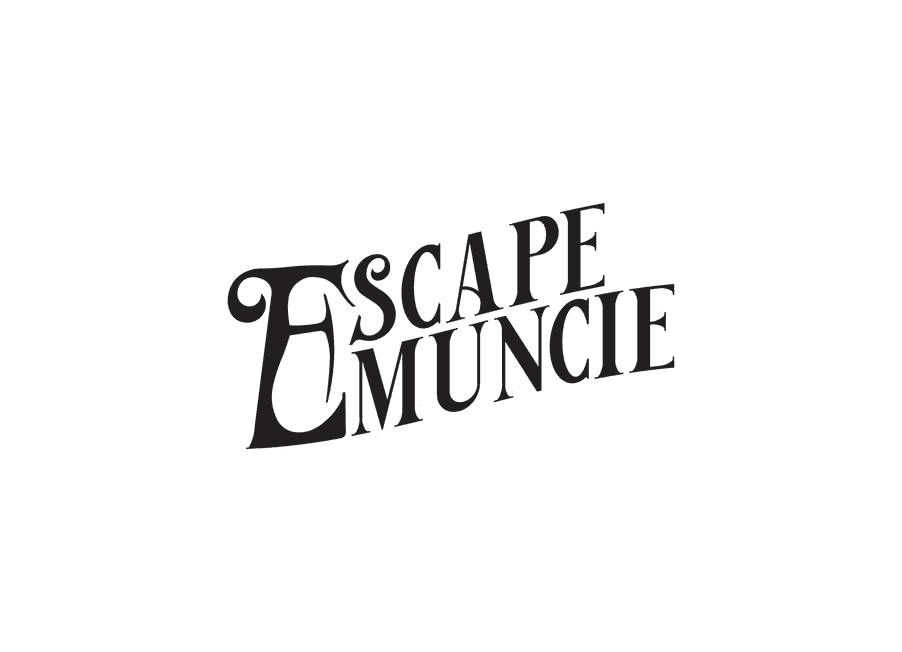
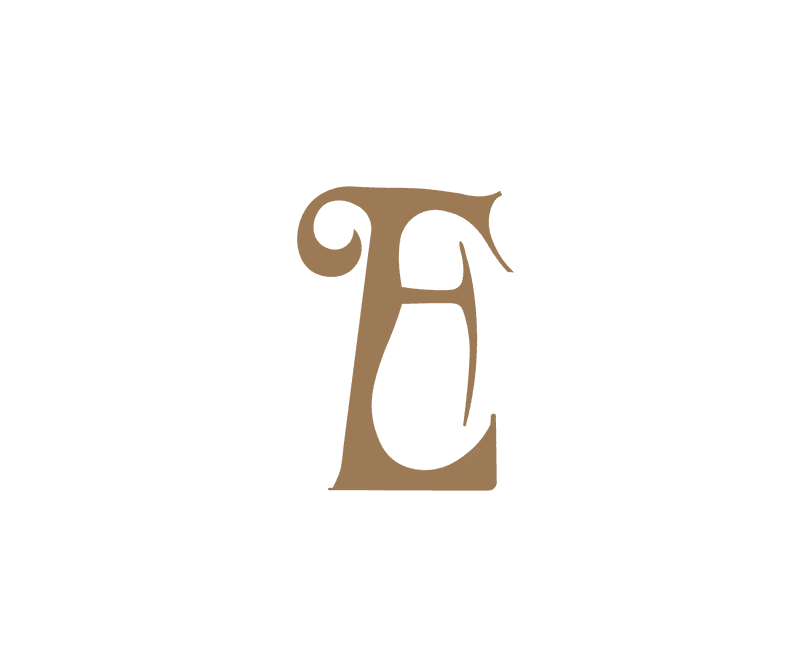
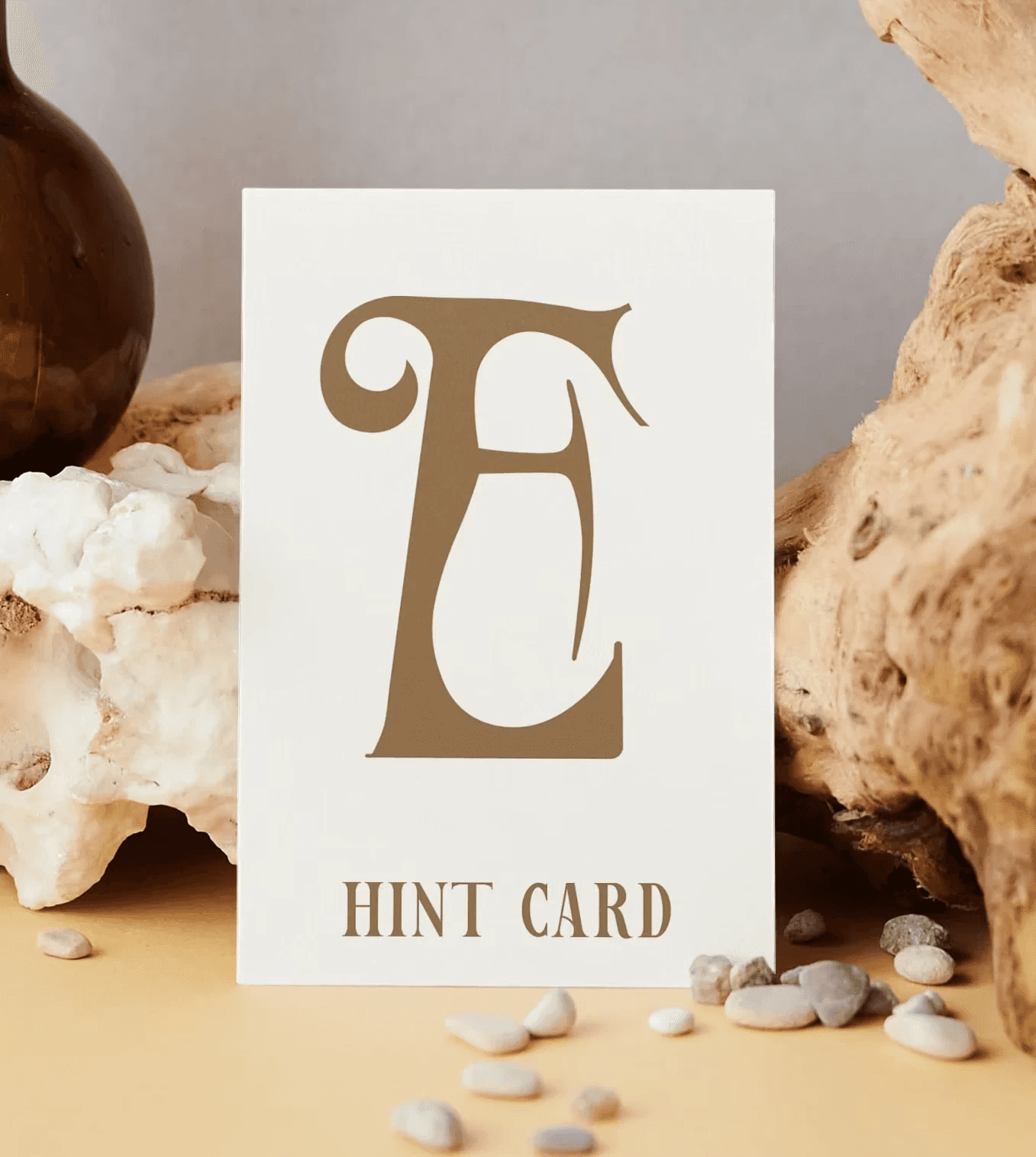
A versatile monogram and lockup for both digital and physical branding.
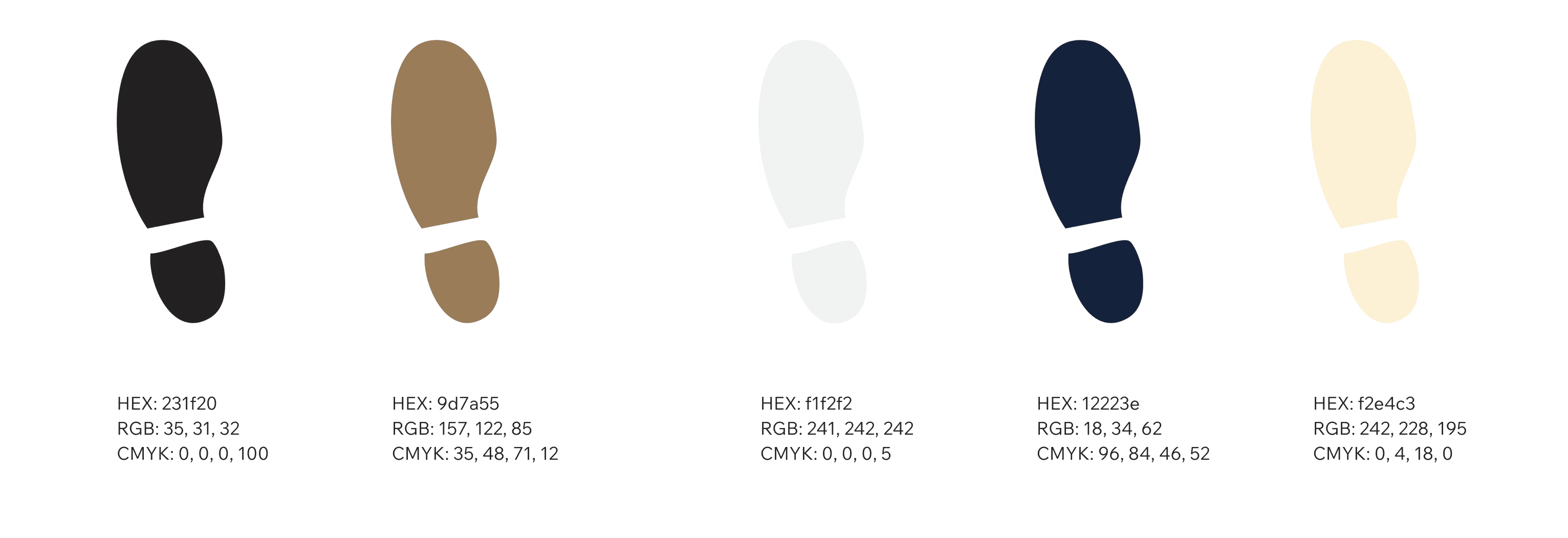
A modern, consistent color palette with primary and secondary options.
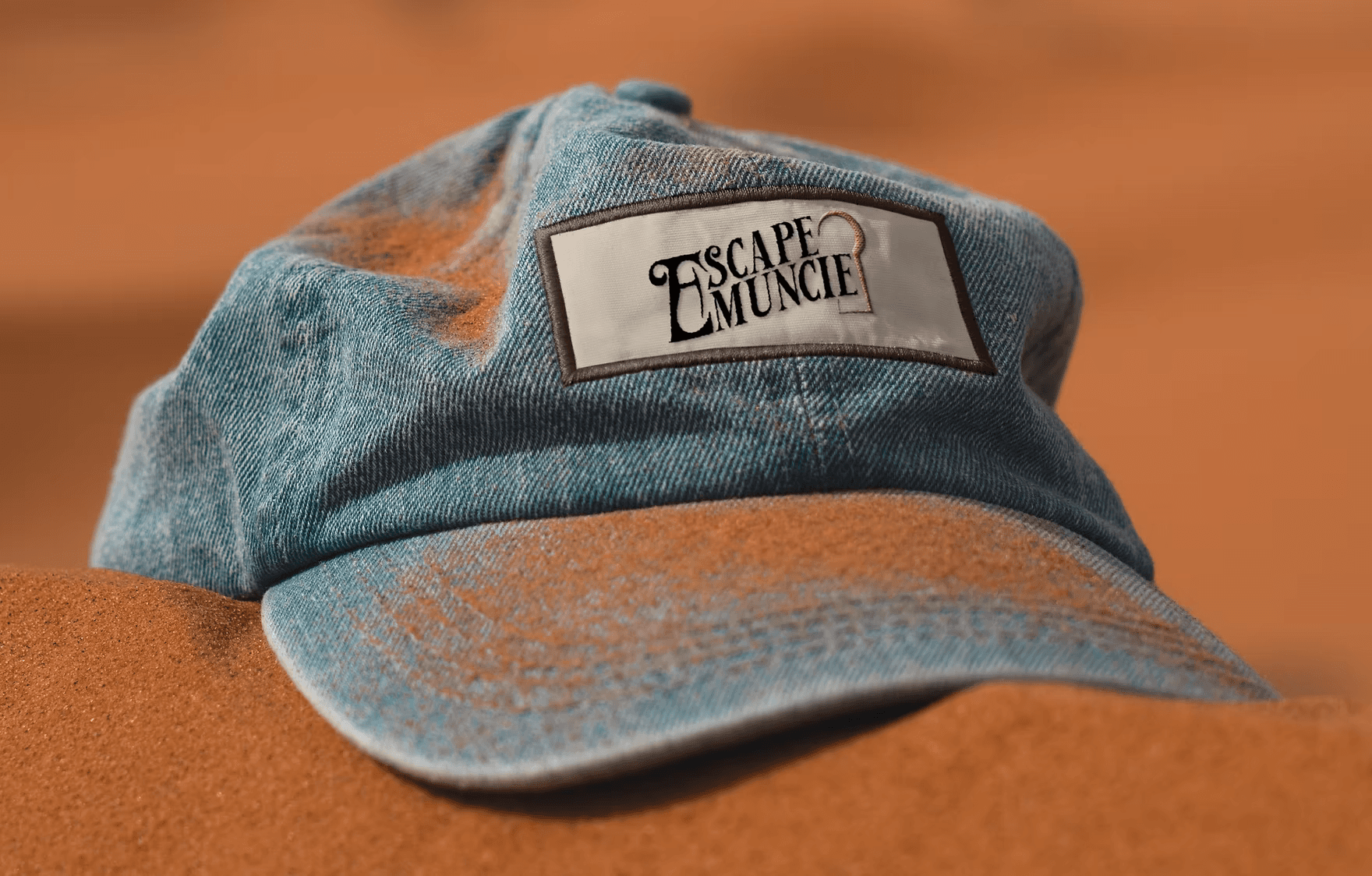
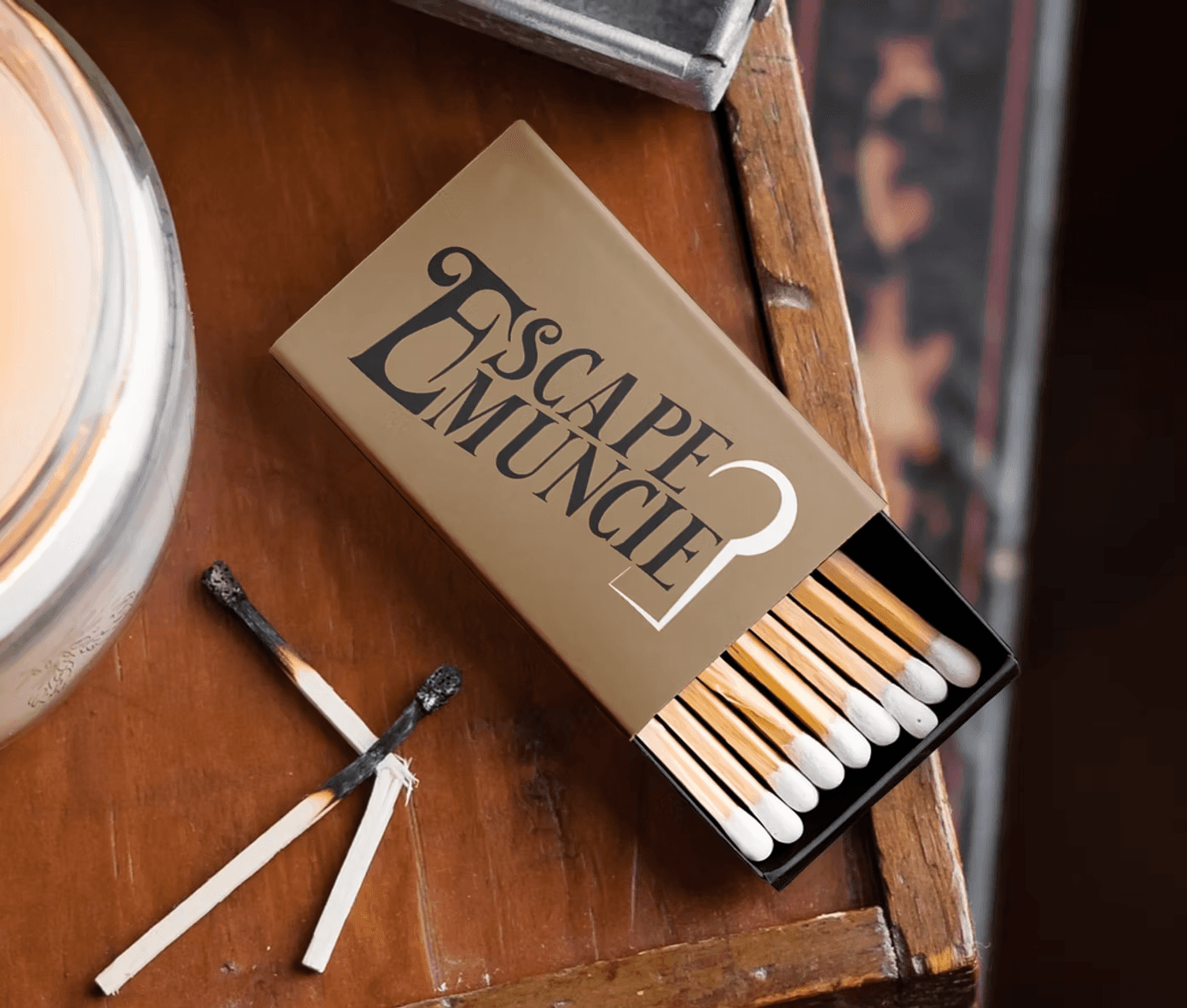
Real-world mockups (cards, packaging, merchandise) showcasing applicability.
Final Design

CONCLUSION
Impact
The brand now has a unified identity system that works across platforms.
The refined visual language better reflects the immersive experience Escape Muncie offers.
Reflection
One of the biggest takeaways was learning how to respect an existing brand while still advocating for change. The original identity held emotional value for returning customers, which meant every design decision needed to feel intentional rather than disruptive. This forced me to evaluate why certain elements worked, not just whether they looked good. Through this process, I learned that successful redesigns are often subtle — rooted in refinement, clarity, and flexibility rather than drastic reinvention.
I also gained a deeper understanding of how constraints can strengthen design decisions. By limiting how far the redesign could stray from the original identity, I had to be more strategic with typography, color, and form. This resulted in a final system that feels cohesive and adaptable, while still clearly tied to Escape Muncie’s adventurous and immersive experience.
Growth
If I were to continue developing this project, I would expand it into a fully realized brand experience rather than stopping at the identity level. This would include:
Creating a comprehensive brand guidelines system
Designing social media templates and promotional assets
Exploring environmental graphics and signage
Introducing subtle motion design to enhance digital touchpoints
I would also want to test the identity with real users to better understand how first-time visitors perceive the brand versus returning customers. Gathering that feedback would allow the system to evolve based on real user behavior and perception, further strengthening its effectiveness.